









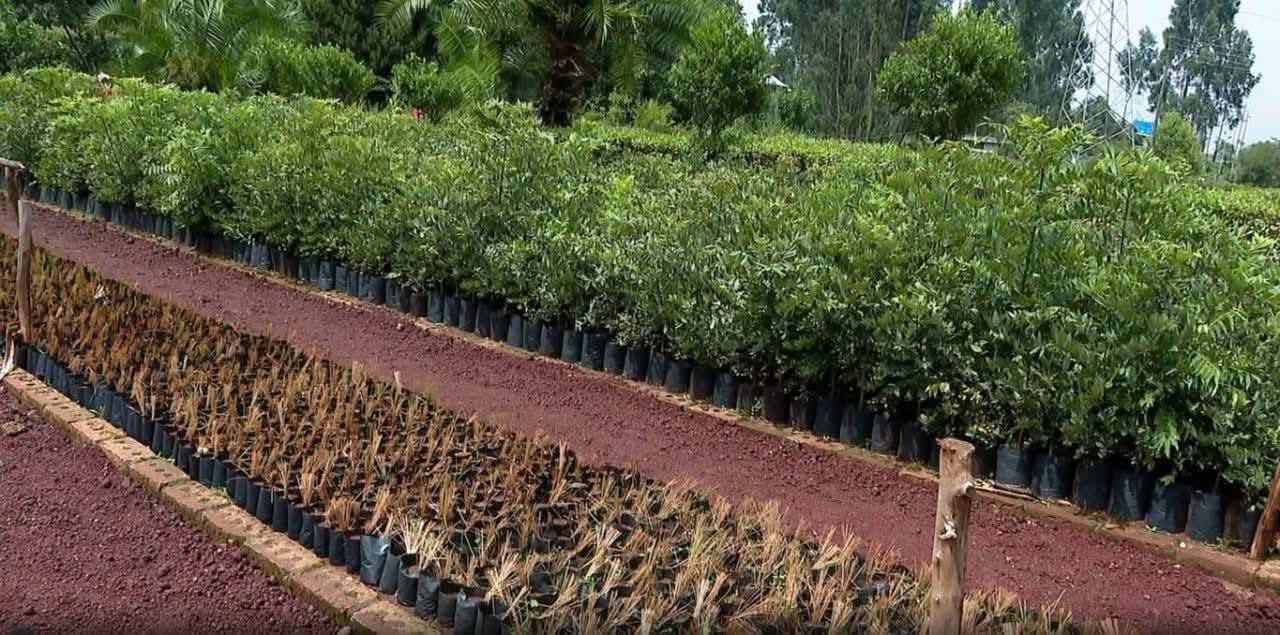
The Green Footprint Program is playing a significant role in protecting native plants. The Green Footprint Program is playing a significant role in protecting native plants and natural resources. It is believed that it is important to protect and sustainably manage plants and natural resources by preventing the negative effects of climate change. In this way, the Green Footprint program continues to achieve various objectives of climate change mitigation, environmental protection, food security and other objectives. The program is playing a significant role in protecting indigenous plants and resources in addition to coping with the effects of global climate change. Ethiopia is one of the leading countries known for its biodiversity resources, and the Green Footprint Program plays its role in preventing the depletion of biodiversity resources, including indigenous plants, due to climate change. As a country, the Green Footprint Program, which was started in 2011, Ethiopians are diligently planting native plants including saplings that are used for food. It is believed that the protection work should be strengthened, especially for native plants, which are used for medicinal purposes and for various purposes. By protecting and maintaining the natural aspect of the environment, the Green Footprint has not only prevented forest depletion and soil erosion, but also increased the country's forest and green cover and provided clean air and water. According to data, Ethiopia once had more than 40 percent forest cover, but due to unsustainable natural resources and land use at the time, its forest cover dropped to 3 percent. In 2017, 8 billion saplings were planted, and it is to be remembered that Prime Minister Abiy Ahmed recently officially launched the plan to plant more than 8 billion saplings in 2018. This activity creates a great potential to increase Ethiopia's forest cover rate to 23.6 percent and above. To this end, everyone must play their part in the protection of indigenous plants and natural resources. AMN


The Green Footprint program is playing a significant role in protecting indigenous plants
NEWS AND EVENTS